November 24, 2026
What to check before sending excavator tracks to a workshop
By @machineunderfoot
When the undercarriage of an excavator starts to show signs of wear, the natural next step is to have the tracks rebuilt or restored. Sending the track chain assembly to a specialist shop can save time and extend the life of the machine, but only if the parts arrive in a condition that allows efficient work. Rushing this process often leads to delays, extra costs, or a result that does not last. A few careful checks before the track leaves your site can make the difference between a smooth restoration and a frustrating back-and-forth.
Inspect the track chain for obvious damage
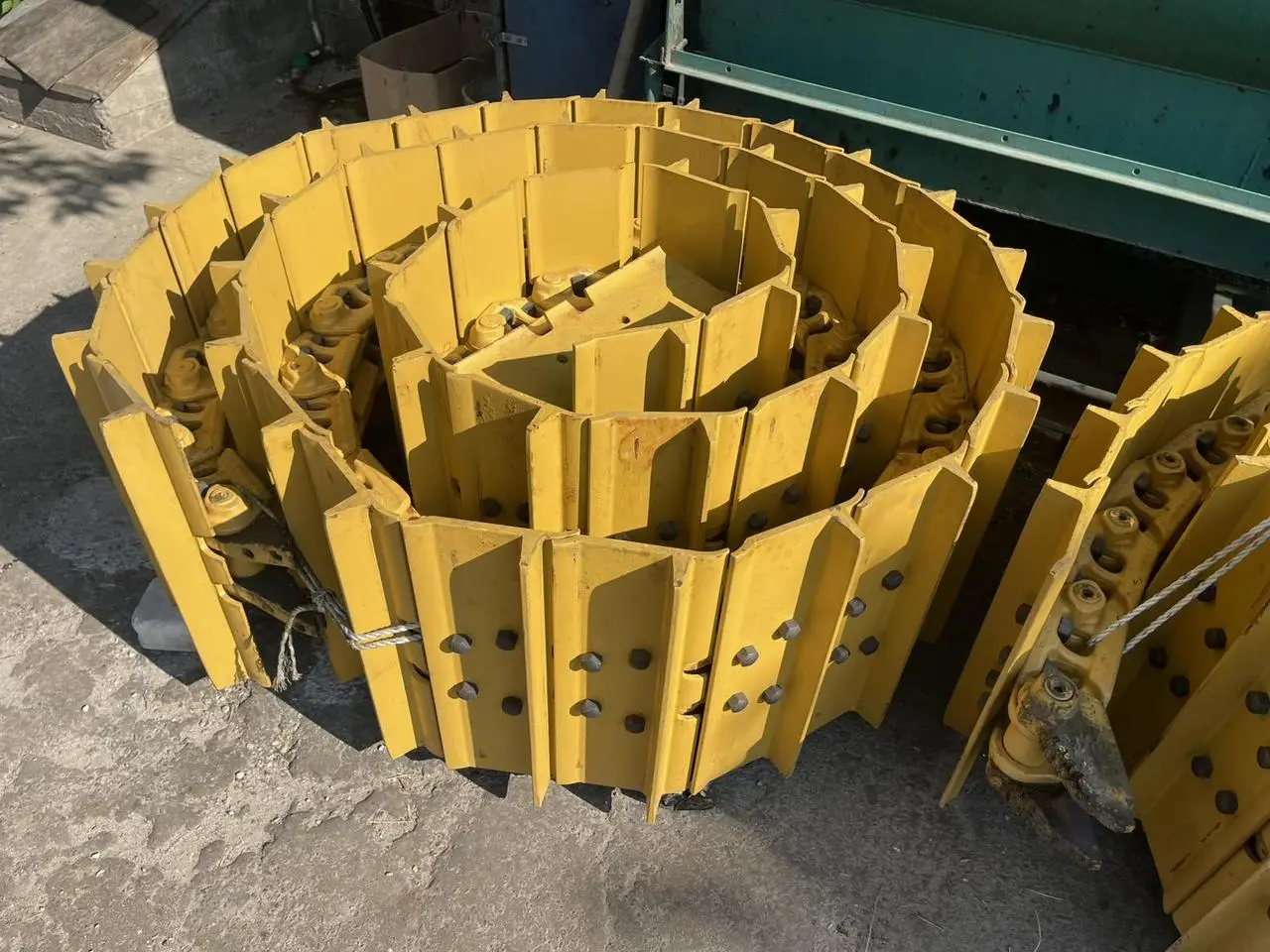
The first thing to look at is the chain itself. Walk the full length of the track and note any cracked or bent side bars, broken track shoes, or missing bolts. A chain that has thrown a shoe or has a bent rail section will need straightening or replacement before the rest of the rebuild can proceed. The workshop will need to know about these issues early because they affect the feasibility and cost of the job. If a section of the chain is twisted or the pin bosses are deformed, the track may not be a candidate for a simple rebuild. Document what you see with photographs and a written note. This helps the shop give an accurate repair estimate and avoids surprises when the strip-down begins.
Pay special attention to the master link. The master link is the part that allows the chain to be opened and closed. If it is seized, damaged, or missing its retaining hardware, the workshop will have to cut it free, which adds labour and may require a new master link. A quick check here saves time. If the master link looks worn but still moves freely, mark it so the shop knows it is the one to open.
Measure pin and bushing wear
The heart of any track chain restoration is the condition of the pins and bushings. These components wear as the track articulates around the drive sprocket and idler. Excessive wear here means the chain pitch has stretched, which can cause poor engagement with the sprocket and accelerate wear on other undercarriage parts. Use a simple pitch gauge or calliper to measure the distance between a few consecutive pin centres. Compare this to the manufacturer's specification for a new chain. If the pitch has grown by more than the recommended limit, the chain may need new pins and bushings or even a full replacement rather than a simple rebuild.
Also check the bushing outer diameter. Worn bushings reduce the contact area with the sprocket and can lead to uneven wear. A shop that does track chain restoration will typically press out old bushings and install new ones, but they need to know the current dimensions to order the correct parts. If you can, measure both the inside and outside diameter of a few bushings. This tells the shop whether the existing sprocket and idler are still compatible or whether those components also need attention.
Examine the track frame and related components
The track chain does not work in isolation. The track frame, the rollers, the idler, and the sprocket all interact with the chain. Before you send the chain off, inspect these parts for excessive wear or damage. A badly worn sprocket can ruin a freshly rebuilt chain within hours. Similarly, a seized roller or a damaged idler will put abnormal stress on the new pins and bushings. If these parts are worn, the workshop may recommend replacing or rebuilding them at the same time. This is the moment to decide whether to include them in the scope of work or to handle them separately. Either way, knowing the condition of the whole undercarriage helps the shop plan the job properly.
If the track frame itself has cracks or is bent, that needs to be addressed before the chain goes back on. Welding repair on the frame is a separate skill from track rebuilding, and not every shop does both. Confirm whether the workshop you are using can handle frame straightening and welding, or if you need to find a fabricator first. Sending a chain to a shop while the frame is still damaged is wasted effort.
Check for seized or stiff links
A chain that has been sitting idle for a long time often develops seized pins. When a pin seizes inside its bushing, the link no longer articulates freely. This puts a huge load on the rest of the chain and on the drive system. Walk the track and try to flex each link by hand or with a pry bar. Mark any link that does not move easily. A workshop can press out seized pins and replace them, but they need to know how many are stuck. If a large portion of the chain is seized, the labour cost rises and the shop may suggest replacing the entire chain assembly rather than rebuilding it.
Stiff links also hide other problems. If a link is stiff because the pin bore in the side bar is deformed rather than just corroded, the chain may not accept new pins without reaming or replacement of the side bars. Dimensional inspection of the bores is something the shop will do, but your early observation helps set expectations.
Consider the track chain’s history
The workshop will ask how the track was used. Was it on a machine that worked in abrasive soil, in mud, or on rock? Did it see a lot of road travel? The operating environment directly affects the wear pattern. A chain that ran in sandy conditions will have accelerated bushing wear, while one that worked in clay may have packed material that caused corrosion. If you know the approximate hours on the chain and whether it was regularly tensioned and lubricated, share that information. It helps the shop decide whether a simple pin-and-bushing turn is enough or whether a full strip-down and new components are needed.
Also mention if the machine has had any recent undercarriage repairs. A new sprocket fitted last month, for example, means the chain pitch must match that sprocket closely. If the chain is stretched beyond tolerance, the new sprocket will wear out quickly. The shop can then plan to replace the chain or adjust the drive components accordingly.
Clean the chain before sending it
Workshops prefer to receive a track that is reasonably clean. Caked-on mud and grease hide cracks and make inspection difficult. A pressure wash removes most of the debris and lets the shop see the true condition of the metal. It also makes the handling safer and reduces the chance of dirt contamination during the rebuild. If the chain is extremely dirty, the shop may charge extra for cleaning. A quick wash on your end is a courtesy that also gives you a chance to spot damage you might have missed.
Once the chain is clean, apply a light oil or rust inhibitor to the exposed metal surfaces. This prevents rust during transport and storage, especially if the shop is not going to start work immediately. Do not use heavy grease, as it can trap dirt and interfere with the pressing operation.
Confirm the workshop’s capabilities and process
Before you load the track onto a trailer, call the shop and confirm what they need. Ask about their press equipment: can they handle your chain size? Do they have the correct tooling for your pin and bushing dimensions? Some workshops specialise in small excavators and may not have the capacity for large chains. Confirm also whether they expect the chain to be broken down into sections or delivered as a complete loop. Breaking a chain without the right tools can damage the links, so it is often better to let the shop do it.
Discuss the expected turnaround time and whether they provide a warranty on the work. A reputable shop will stand behind their rebuild and give you a clear scope of what is included. This is also the time to ask about any additional services such as welding repair on the track frame or rebuilding of rollers and sprockets. Having a single point of contact for the entire undercarriage can simplify logistics and reduce downtime.
Finally, plan the transport. Track chains are heavy and awkward to move. Use a flatbed truck with proper tie-downs, and protect the chain from shifting during transit. If the chain is still assembled, secure it so it does not unroll on the road. A little planning here avoids damage that would undo all your careful inspection work.
Why this preparation matters
Taking the time to inspect, measure, and clean the track chain before sending it to a workshop turns a vague request into a precise job. The shop can order the correct parts in advance, allocate the right equipment, and give a realistic timeline. For anyone managing an excavator fleet or doing their own machine maintenance, this level of preparation reduces the chance of costly delays and ensures the track chain restoration delivers the expected life and performance. A thorough check is not about being perfect; it is about being informed. The better the information you provide, the smoother the entire excavator track repair process becomes, from the initial quote to the final installation.
In the end, the goal is to get the machine back to work with a reliable undercarriage that will hold up under the conditions it faces. A practical checklist like this one helps you avoid common pitfalls and makes sure the workshop can do its best work. It is a small investment of time that pays off in fewer surprises and a longer-lasting result.
❧